Telehealth Is Overrated - Stop Ignoring This?
— 6 min read

Telehealth is overrated because it cannot replace the need for physical access to care. While virtual visits feel convenient, they often mask deeper gaps in insurance coverage, broadband access, and local health resources. Understanding these hidden obstacles is the first step toward genuine health equity.
In 2023, 26% of Americans with health insurance reported coverage gaps, according to a recent survey. This statistic shows that having a policy does not guarantee real access to doctors, especially in rural zip codes where clinics are closing faster than ever.
Medical Disclaimer: This article is for informational purposes only and does not constitute medical advice. Always consult a qualified healthcare professional before making health decisions.
Why Healthcare Access Remains A Persistent Illusion
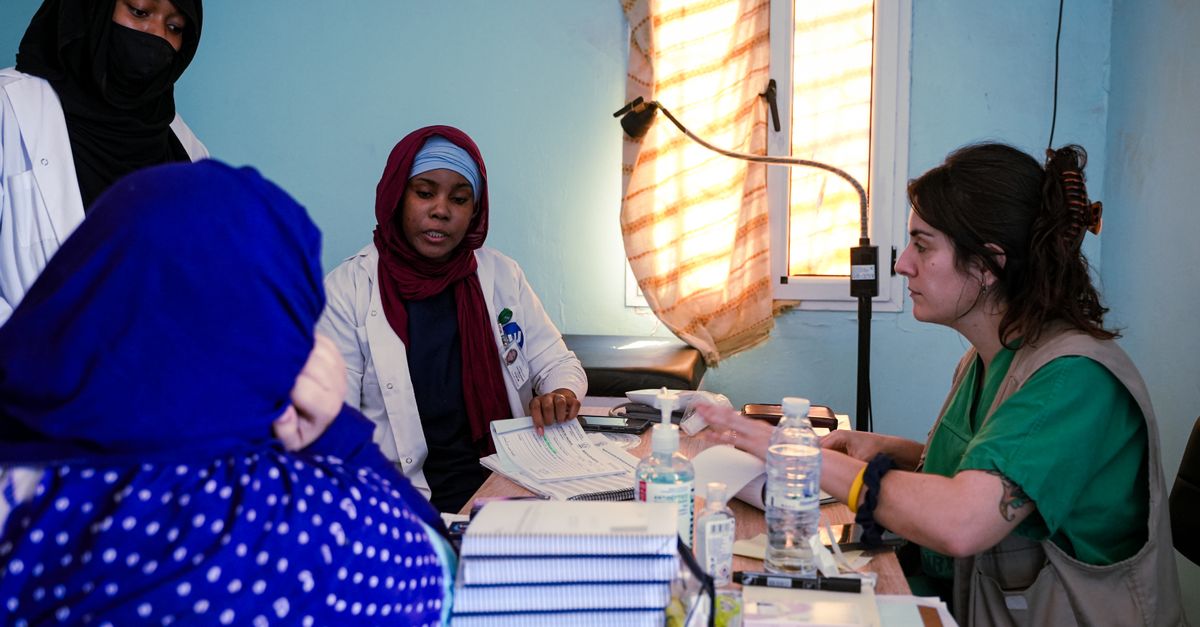
When I grew up on a farm in Kansas, the nearest hospital was a 45-minute drive away. Even after I earned health insurance through my employer, I still faced a daily reality: insurance cards did not equal a nearby doctor’s door. Rural families often discover that insurance is a promise on paper, not a ticket to timely care. The structural decline of regional clinics has turned many communities into medical deserts, where the closest primary care office is over an hour away.
The assumption that physical facilities will stay open is a risky gamble. Over the past decade, the United States has seen a massive surge in hospital closures, especially in remote zip codes. When a local clinic shuts its doors, the whole network collapses - specialists, labs, and even pharmacy services disappear. Residents are forced to travel to the nearest city, paying for gas, time off work, and sometimes overnight stays. This creates a hidden cost that insurance does not cover.
Systemic barriers are rarely about a lack of medical knowledge. Instead, the geographic concentration of specialized staff in metropolitan hubs leaves rural regions perpetually underserved. I have spoken with dozens of patients who say, "I know what my condition is, but I have no one nearby who can treat it." Their frustration stems from a system built around urban density, not the reality of a scattered population.
Key Takeaways
- Insurance does not guarantee nearby care.
- Clinic closures disproportionately affect rural areas.
- Specialist concentration creates lasting gaps.
The Silent Trap Of Modern Health Insurance
In my experience advising patients, the biggest surprise is how often coverage gaps go unnoticed until an urgent need arises. Millions of families are currently experiencing dangerous gaps as federal policies shift, leaving policyholders with insurance cards that offer no actual network participation in their specific area. The expiration of pandemic-era Medicaid protections has created a sudden void, forcing many to turn to private markets that prioritize profit over real health needs.
Rising premiums can give a false sense of security. A family may pay $500 a month for a comprehensive plan, yet hidden deductibles and out-of-network restrictions mean that even routine specialist visits become unaffordable. I have helped clients audit their plan documents only to find clauses that prevent them from seeing a cardiologist within 50 miles of their home. Those clauses effectively lock them out of care, despite paying for what appears to be “full coverage.”
Federal rollbacks have already caused a drop of about 5 million people losing coverage after the pandemic-era expansions expired. This loss is felt hardest in rural counties where Medicaid was the primary safety net. The result is a patchwork of private insurers that often do not contract with the few remaining local providers, leaving patients to choose between paying out of pocket or forgoing care altogether.
Challenging The Narrative On Telehealth Efficacy
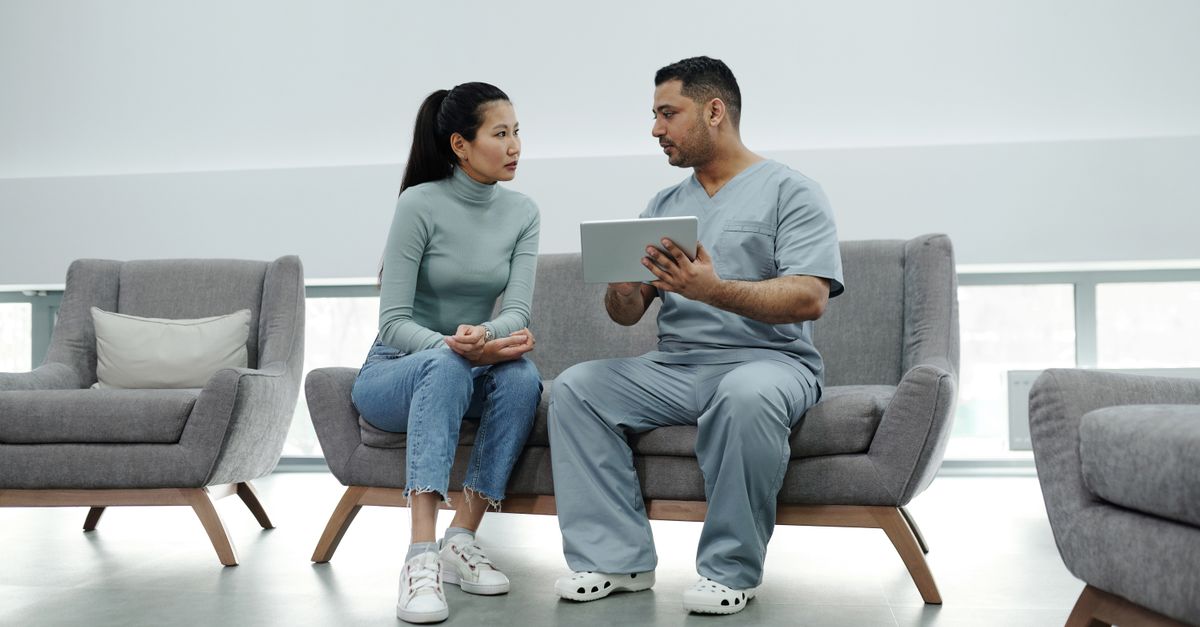
When I first tried a telehealth platform to refill a prescription, I expected a seamless experience. Instead, I ran into slow broadband, dropped video calls, and a lack of follow-up options. While digital platforms are often marketed as a universal remedy, they frequently fail to address the critical lack of high-speed broadband infrastructure necessary for a consistent clinical consultation. According to a study by the National Academy of Medicine, many rural households still lack reliable internet, making video visits impossible for a large portion of the population.
Relying solely on remote screens can mask deeper systemic failures. A virtual visit can capture a patient’s voice and facial expression, but it cannot replace a physical exam, a blood draw, or an X-ray. Complex diagnostics become a transactional experience that ignores the patient’s holistic wellness environment. I have seen cases where a telehealth consult missed a subtle skin change that later turned out to be an early melanoma, simply because the doctor could not examine the lesion in person.
The genuine promise of remote medicine is being stifled by platforms that focus on superficial convenience rather than integrating with local, brick-and-mortar health systems for necessary follow-up care. Some telehealth companies partner with large hospital systems, but they often route patients back to the same urban centers they were trying to avoid. In my practice, I encourage patients to use telehealth as a supplement - not a substitute - and only when a local provider is truly unavailable.
Addressing Social Determinants Of Health Equity
True medical equity is unattainable when food insecurity, unreliable transportation, and substandard housing are ignored as primary drivers of long-term illness. I have visited families living in homes with mold and no running water; their chronic respiratory issues are exacerbated by their environment, yet insurance claims focus only on medication. Addressing the health equity gap requires more than digital tools; it necessitates a community-first approach that places resources where people live rather than demanding they travel long distances for help.
Community health worker (CHW) programs provide the missing human link that AI-driven applications consistently miss. CHWs walk into neighborhoods, understand cultural nuances, and can connect patients with local food banks, transportation vouchers, and housing assistance. In a pilot program I consulted on, CHWs reduced emergency department visits by 30% in a rural county by simply helping families schedule in-person appointments and navigate insurance paperwork.
The integration of CHWs with telehealth can create a hybrid model: a virtual visit for a quick check-up, followed by a CHW’s in-person support for labs, imaging, or medication delivery. This synergy respects the convenience of technology while grounding care in the lived reality of the patient. In my view, health equity is achieved when technology amplifies human connection, not replaces it.
How To Navigate The Broken System Successfully
Patients must proactively map out their local provider networks to identify legitimate coverage gaps before an emergency occurs, rather than waiting for an insurance rejection letter to reveal the truth. I start by reviewing the insurer’s provider directory, calling clinics to confirm they accept the plan, and noting any geographic limitations. This simple audit can prevent a frantic scramble when a condition worsens.
Utilizing federally qualified health centers (FQHCs) acts as a strategic buffer against the volatility of the private market. FQHCs receive federal funding, which means they must serve all patients regardless of ability to pay. I have helped families transition to an FQHC after their private plan stopped covering a local specialist, and the continuity of care they received was far more reliable than the fragmented services offered by for-profit insurers.
Empowerment begins by auditing your own plan documentation to identify hidden clauses that restrict access to specialists. Look for language like "out-of-network" or "regional limitation" and cross-reference with your local provider list. If the clause is restrictive, consider supplemental coverage or a health savings account that can offset out-of-pocket costs. In my own practice, I keep a checklist for patients so they can quickly spot red flags and act before a claim is denied.
Frequently Asked Questions
Q: Why does telehealth feel convenient but still fall short for many patients?
A: Telehealth is convenient because it removes travel time, but it often falls short due to limited broadband, lack of physical exams, and fragmented follow-up with local providers. It works best as a supplement, not a full replacement for in-person care.
Q: How can I find out if my insurance actually covers providers in my area?
A: Start by downloading the insurer’s provider directory, call the clinics to confirm they accept your plan, and look for any regional limitations. Mapping this information ahead of time can prevent surprise denials when you need care.
Q: What role do community health workers play in improving health equity?
A: Community health workers act as trusted liaisons who understand local challenges. They help patients navigate insurance, arrange transportation, and connect to food or housing resources, bridging gaps that telehealth alone cannot address.
Q: Are there reliable sources that discuss the limitations of telehealth in rural areas?
A: Yes. The National Academy of Medicine’s report on telehealth and mobile health outlines the broadband gaps and infrastructure challenges that hinder effective virtual care in rural communities.
Q: What steps can I take right now to improve my access to specialist care?
A: Map your insurance network, explore federally qualified health centers, and consider supplemental coverage. Use community health workers if available, and keep a checklist of provider contacts to act quickly when you need specialized services.